

Understanding Schoology Alfa in the Modern Learning Environment
Digital education has changed the way teachers create lessons, communicate with students, organize assignments, and manage classroom activities. Instead of depending only on printed materials and traditional classroom routines, educators can now use online platforms to bring different learning resources together in one place. Schoology Alfa can be explored in this broader context as a digital learning concept connected with the growing use of technology in education.
For teachers, understanding an online learning environment is not only about knowing where to click or how to upload a file. It is also about creating a learning experience that is simple, organized, and useful for students. A well-planned digital classroom can make it easier to share resources, communicate with learners, monitor assignments, and provide feedback.
Why Are Digital Learning Platforms Important for Teachers?
Teachers handle many responsibilities every day. They prepare lessons, explain concepts, answer questions, check assignments, communicate with students, and track academic progress. Digital learning platforms can bring many of these activities into one organized environment.
Schoology Alfa may be of interest to educators who want to understand how digital tools can support classroom management and online learning. Instead of keeping learning materials scattered across different locations, teachers can use a structured digital space to make educational content easier to access.
The real value of technology, however, depends on how teachers use it. A platform itself does not automatically create better learning outcomes. Good planning, clear instructions, meaningful activities, and regular communication remain essential.
What Should Teachers Know Before Exploring Schoology Alfa?
Before using any digital education platform, teachers should first understand its purpose. It is useful to consider what problem the platform is expected to solve and how it can fit into an existing teaching routine.
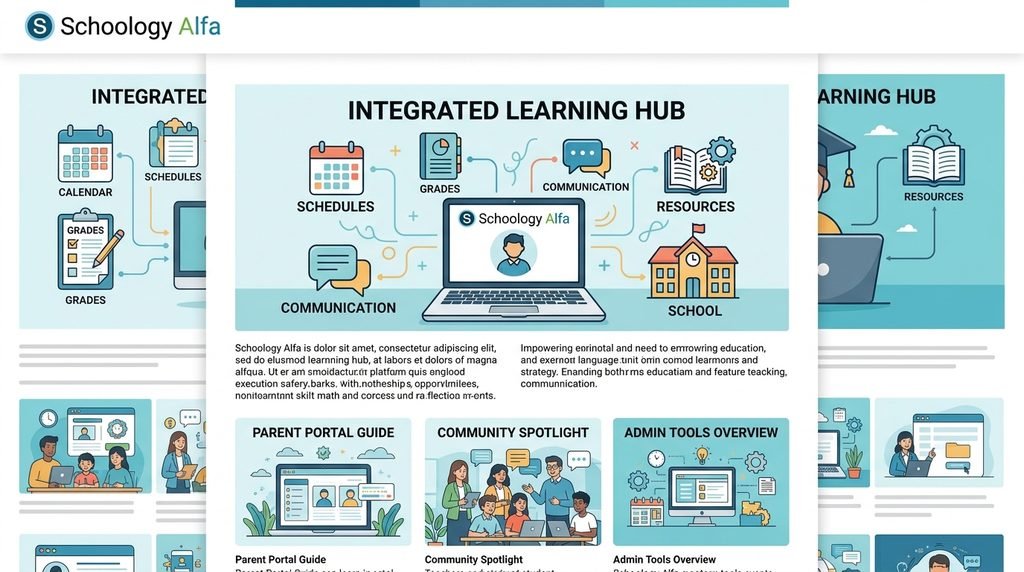
Teachers should also become familiar with the basic functions available to them. These may include organizing learning materials, creating assignments, communicating with students, reviewing submissions, and providing feedback. Understanding these functions beforehand can make the transition to digital teaching much smoother.
Another important consideration is simplicity. Students have different levels of technical experience. If an online classroom becomes unnecessarily complicated, students may spend more time trying to understand the technology than focusing on the lesson itself.
How Can Schoology Alfa Support Better Classroom Organization?
Organization is one of the biggest challenges in education. Teachers may have lesson notes, presentations, worksheets, assignments, announcements, and other resources to manage. When these materials are properly organized, students can find what they need without repeatedly asking where something is located.
Schoology Alfa can be considered as part of the wider movement toward organized digital learning environments. A structured online classroom can separate lessons into topics or sections, making the learning journey easier to follow.
For example, a teacher could arrange materials according to weekly lessons or individual subjects. Assignments could be connected with the relevant learning material, while important announcements could be kept in a visible location.
Making Lessons More Accessible for Students
Students do not all learn at the same pace. Some may understand a topic quickly, while others need additional explanations or more time to review the material. Digital resources can give students opportunities to revisit lessons outside normal classroom hours.
An online learning environment can allow students to access educational materials when they need them. This can be especially helpful for learners who want to review a difficult topic before completing an assignment or preparing for an examination.
Teachers can support this process by keeping their materials clear and easy to understand. Short explanations, useful examples, relevant documents, and properly organized resources can make digital learning more comfortable.
The Importance of Clear Digital Communication
Communication is an essential part of teaching, whether learning takes place in a physical classroom or online. Students need to know what they are expected to do, when assignments are due, and where they can find additional information.
A digital learning platform can provide a central place for classroom communication. Teachers can share announcements and important instructions instead of relying on several unrelated communication channels.
For teachers exploring Schoology Alfa, communication should be treated as more than simply posting messages. Effective digital communication should be clear, concise, and timely. Students should not have to search through multiple pages to understand a basic assignment requirement.
Creating Better Assignment Experiences
Assignments are an important part of the learning process because they give students an opportunity to apply what they have learned. Digital platforms can make assignment management more organized by giving teachers a central place to provide instructions and review student work.
Teachers should write assignment instructions carefully. A good digital assignment should explain the task, expected format, deadline, and any important requirements. When instructions are unclear, students may become confused even if the subject itself is easy.
Schoology Alfa can be viewed through this practical perspective. The technology should support the teacher’s educational goals rather than become the main focus of the lesson.
Providing Useful Feedback to Students
Feedback helps students understand what they are doing well and where they need improvement. In traditional classrooms, teachers may provide feedback verbally or on printed assignments. Digital environments can provide additional ways to communicate comments and suggestions.
Effective feedback should be specific. Instead of simply saying that an answer is incorrect, a teacher can explain why it needs improvement and suggest a better approach.
Regular feedback can also encourage students to take greater responsibility for their learning. When learners understand their strengths and weaknesses, they have a clearer path toward improvement.
Can Digital Learning Improve Student Engagement?
Student engagement is one of the most important goals of modern education. Technology can provide additional ways to present information, but engagement still depends heavily on the quality of the lesson.
Interactive activities, useful discussions, practical examples, and well-designed assignments can make students more interested in a topic. Teachers should avoid using technology simply because it is available. Every digital activity should have a clear educational purpose.
Schoology Alfa may attract attention from educators interested in digital classroom experiences, but the teacher’s approach remains more important than the platform itself. Technology works best when it supports meaningful learning.
Helping Students Develop Digital Learning Skills
Modern students need more than traditional academic knowledge. They also need to understand how to work with digital information, communicate responsibly, organize files, complete online tasks, and manage their time.
A structured online classroom can help students develop some of these habits. For example, regularly checking assignments and organizing digital resources can encourage students to become more independent learners.
Teachers can support this development by setting clear expectations. Students should understand that digital learning requires responsibility just like traditional classroom learning.
Protecting Student Privacy and Information
Privacy should always be considered when schools introduce digital technology. Teachers may work with student names, assignments, grades, messages, and other educational information.
Before using any online platform, educators should understand the school’s policies and the platform’s privacy and security practices. Teachers should avoid sharing sensitive information in inappropriate locations and should use strong account security practices.
Schools should also provide students with basic guidance about responsible online behavior. Digital education works best when technology is combined with awareness and good security habits.
Supporting Different Learning Styles
Every classroom contains students with different needs and preferences. Some students may learn effectively by reading, while others benefit from visual examples, demonstrations, or repeated explanations.
Digital learning environments can provide opportunities to use different types of educational resources. Teachers may combine written material with presentations, videos, diagrams, quizzes, or other activities when appropriate.
The goal should not be to add as many resources as possible. Too much information can overwhelm students. Instead, teachers should select resources that directly support the lesson objective.
What Makes a Digital Classroom Easier for Students to Use?
A successful digital classroom should be predictable. Students should know where to find lessons, where to submit assignments, and where to look for announcements.
Consistency can make a major difference. If every lesson follows a similar structure, students spend less time figuring out the platform and more time concentrating on the subject.
Teachers exploring Schoology Alfa should therefore think about the complete student experience. A technically advanced classroom is not necessarily a better classroom. Simple navigation and clear instructions can often be more valuable.
Preparing Teachers for Digital Education
Teachers also need support when adopting new technology. Learning a new platform can initially feel challenging, particularly for educators who have spent many years using traditional teaching methods.
Training can help teachers understand the available tools and choose the features that are genuinely useful. Schools can also encourage teachers to share successful approaches with colleagues.
Professional development should focus on both technology and teaching strategy. Knowing how a feature works is useful, but knowing when and why to use it is even more important.
Balancing Technology With Traditional Teaching
Digital education does not mean that traditional teaching methods are no longer useful. Teachers can combine classroom discussions, handwritten activities, group work, and practical exercises with digital resources.
A balanced approach can give students the benefits of technology without making every part of education dependent on a screen.
Schoology Alfa can therefore be considered within a larger educational strategy rather than as a replacement for teachers. Technology can provide tools, but educators provide guidance, explanation, encouragement, and human interaction.
Common Challenges Teachers May Face
Moving toward digital learning can introduce several challenges. Technical problems, unreliable internet connections, unfamiliar interfaces, and student access issues can affect the learning experience.
Teachers should prepare simple alternatives when possible. For example, important instructions can be communicated clearly in advance, and essential resources can be made available in accessible formats.
Patience is also important. Both teachers and students may need time to become comfortable with a new digital environment.
Building a More Effective Online Learning Routine
A successful digital classroom usually depends on consistency. Teachers can establish regular routines for posting lessons, checking assignments, responding to questions, and providing feedback.
Students can also benefit from knowing when new materials are normally published and when they should expect feedback.
Over time, these routines can reduce confusion and make digital learning feel more natural. The platform becomes part of the learning process rather than an obstacle that students constantly have to overcome.
Looking Ahead at Digital Education
Education technology continues to develop as schools and teachers look for better ways to support learners. Digital platforms are becoming increasingly connected with classroom organization, communication, assessment, and resource management.
The future of education will likely involve a combination of technology and traditional teaching rather than one completely replacing the other. Teachers will continue to play a central role while digital tools provide additional support.
For anyone researching Schoology Alfa, the most useful approach is to focus on practical educational value. The important question is not simply whether a platform has many features, but whether those features help teachers teach more effectively and students learn more confidently.
Final Thoughts on Schoology Alfa
Schoology Alfa represents an interesting topic within the broader conversation about digital education and online learning environments. Teachers who explore digital classroom tools should focus on organization, communication, accessibility, privacy, student engagement, and meaningful feedback.
The best technology is not necessarily the platform with the most features. It is the technology that makes teaching and learning clearer, more organized, and more accessible.
Teachers can get the most from digital education by starting with their learning objectives and then choosing technology that supports those goals. With thoughtful planning and consistent use, digital learning tools can become a useful part of a modern classroom experience.